What to Know About Your Right to Protest
It's As American As Apple Pie
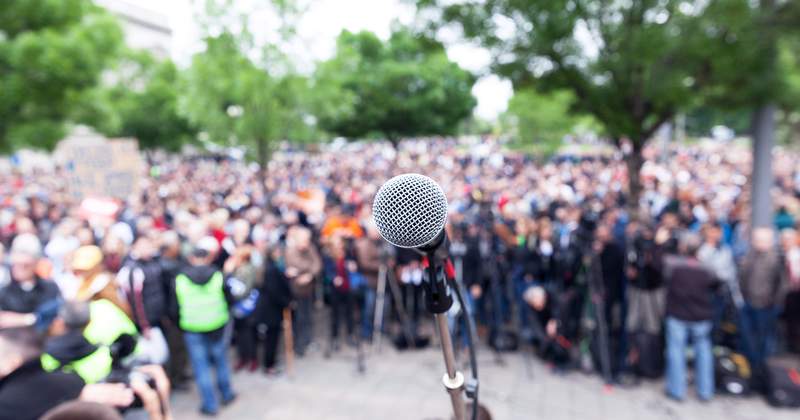
When it comes to protesting, what rights do we have?
The First Amendment and state constitutions protect the rights of protestors in public spaces. That being said, certain restrictions may exist. Here are a few things to keep in mind.
What Protestors Can and Cannot Do
Generally speaking, protestors can speak, march and gather in ordinary ways on public sidewalks and streets. They can also distribute flyers, chant, sing and picket. A protestor can take photos and videos.
Protesters should review the literature they distribute. Flyers should not be obscene, defamatory or likely to incite immediate violence.
Getting a Permit
A rally organizer should apply for a permit at least a few days before the protest. If the city denies the permit, it must explain why. The city may charge for the costs of a demonstration, including traffic control and processing permits. An organizer may be able to challenge a burdensome fee.
When a Protest Escalates
Protestors are required to follow the lawful instructions of a police officer or public official. These may include staying behind barricades, dispersing from areas declared an unlawful assembly and not resisting arrest.
How to Handle Arrest
A protestor should remember the name, badge number and patrol car number of the officer who arrested them. The protestor may file a formal complaint.
Finally, under the current conditions, try to keep safe social distancing practices in mind and keep up with the latest state guidelines regarding group gatherings.
If you or a loved one have questions or need assistance with Bail Bond services in the Chattanooga area, The Bail Bondsmen at Gary's Bail Bonds are ready to help. With more than 20 years of experience in the Bail Bond business, we have the practical experience and knowledge to get you out of jail fast. 24 hours a day, 7 days a week, Gary's Bail Bonds is there when you need us most. 423-664-1000