Filming The Police
Is Filming Or Recording The Police Legal?
Is Filming Or Recording The Police Legal?
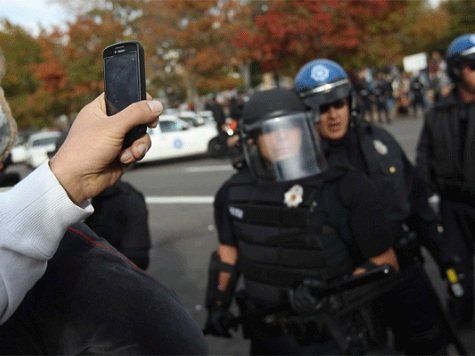
Now, however, just about everyone carries a high-definition video camera in their pocket, thanks to smartphones and other pocket-sized video recording devices. This has led to an explosion of people recording and sharing their encounters with the police online through platforms like YouTube, Instagram, and other video sharing websites.
One of the side effects of people recording their police encounters has been numerous threats, arrests, and legal proceedings (often by the police themselves) against people who have taken and shared those videos. The obvious question then is: Is it legal to film or record encounters with the police?
What The Law Says
When it comes to what’s actually in the law books, there are very few states with laws explicitly pertaining to video recording of police officers and personnel. However, courts around the country have generally agreed that video recording of police is legal under the first amendment, even during protests or traffic stops.
With that said, there are some limits about when and where recording is okay.
Where Are You Filming?
One of the most important factors regarding legally filming encounters with the police is where the filming occurs.
In a public space, people are generally allowed to record on-duty police. The only requirements are that the person filming is also legally allowed to be in the same public space, the activity being filmed is in plain view, and the recording is not being conducted in secret.
If, however, the act of filming is legitimately interfering with law enforcement operations, the police can order the person or people filming to stop.
The right to record police is much more limited in private spaces. Filming on private property is subject to the permission and whims of the property owner. If the owner of the property doesn’t want someone filming, they can have the police arrest the offending party for trespassing.
Tips For Legally Filming & Recording Police Encounters
While just about anyone is legally entitled to film police encounters under the laws mentioned above, there are some additional steps anyone who decides to film can take to ensure that their own activity is on solid legal footing.
This includes:
- Inform the police they are being recorded
- Comply with police requests to step back or identify yourself
- Keep your camera out of the way (low and close to your body, and don’t point it like a gun)
- Calmly remind the police of your right to film them, if needed
If a police officer orders someone to stop filming—either out of ignorance or to intimidate them—and that person refuses, they should prepare to be arrested. In the event of an arrest, stay calm, and contact an attorney as soon as possible.
(This article is taken from www.guinannlaw.com)
If you or a loved one have questions or need assistance with Bail Bond services in the Chattanooga area, The Bail Bondsmen at Gary's Bail Bonds are ready to help. With more than 20 years of experience in the Bail Bond business, we have the practical experience and knowledge to get you out of jail fast. 24 hours a day, 7 days a week, Gary's Bail Bonds is there when you need us most. 423-664-1000