Drug Paraphernalia Laws
Understanding Tennessee's drug paraphernalia law
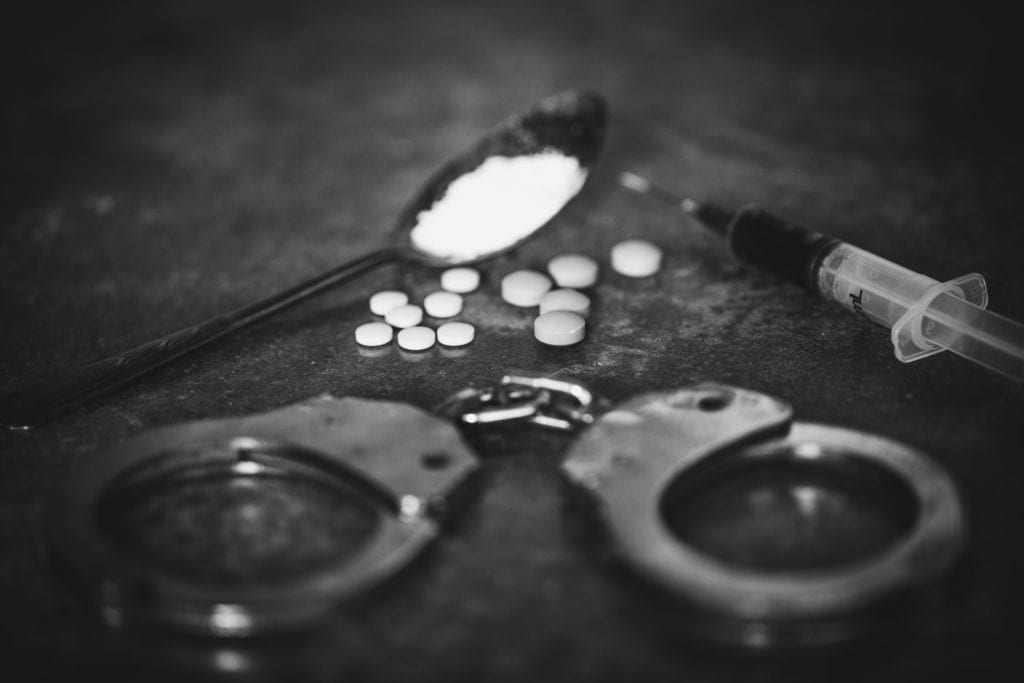
Tennessee, like most states, has specific rules governing controlled substances, particularly the possession, production, and sale of them. When drugs are criminalized, the law also typically includes prohibitions that prevent the ownership of materials used in connection with the illegal drug. Controlled materials used in connection with controlled substances are called paraphernalia.
What Is Drug Paraphernalia?
Paraphernalia, according to Tennessee law, is any material used to grown, use, or make an illegal drug. Many people are often surprised when they realize that objects and materials can have both a legal purpose, and when they are used for their created and stated purpose, they are legal. However, a legal item can immediately become an illegal one if found with controlled substances.
Common legal items that instantly become illegal when used with a controlled substance:
- Balloons
- Pens
- Plastic Bags
- Scales
- Small Spoons
These items could include a conviction because the material isn’t illegal – the action of using it to facilitate drug sales, usage, or creation makes the object part of a crime. The material or item won’t be identified as a criminal object unless law enforcement can prove it’s a drug tool. They will do this by examining any found item and materials for evidence of recent or previous drug usage. They look for signs of drug use like burns, residue, or reconfiguration. For example, reconfiguring a small spoon to make it easier for drug use would convert a legal object into an illegal one.
Tennessee Penalties for Possessing of Drug Paraphernalia
According to Tennessee law (TCA § 39-17-425), you can be convicted on drug paraphernalia charges if the prosecution can prove usage or intent to use the paraphernalia to complete any of the following drug-related tasks with a controlled substance:
“plant, propagate, cultivate, grow, harvest, manufacture, compound, convert, produce, process, prepare, test, analyze, pack, repack, store, contain, conceal, inject, ingest, inhale, or otherwise introduce into the human body.”
Personal possession of drug paraphernalia carries up to $2500 in fines, is a Class A misdemeanor, and can lead to just under 12 months in jail. While these fines and penalties vary by case, if found guilty, those charged could still be made to pay court costs or receive probation. The maximum fine is $2500 for a drug paraphernalia charge, even with prior convictions. However, the minimum fine does change based on an individual’s criminal history. If an individual has a prior offense, the minimum fine could change to:
- Fines of at $150+ for a first conviction
- Fines of at $250+ for any following convictions
- Drug paraphernalia charges can become a Class E felony when an individual is found to have these items with the intent to sell or deliver drugs. Fines for Class E felony drug paraphernalia charges vary, but those found guilty could face fines up to $50,000 and up to two years in prison.
(This article taken from www.pattonandpittman.com)
If you or a loved one have questions or need assistance with Bail Bond services in the Chattanooga area, The Bail Bondsmen at Gary's Bail Bonds are ready to help. With more than 20 years of experience in the Bail Bond business, we have the practical experience and knowledge to get you out of jail fast. 24 hours a day, 7 days a week, Gary's Bail Bonds is there when you need us most. 423-664-1000